Interstitial cystitis (IC), a chronic condition marked by bladder pressure, pain, and frequent urination, affects many individuals seeking relief beyond standard treatments. Among emerging approaches, *trending pelvic floor exercises for interstitial cystitis* are gaining attention for their potential to ease symptoms by strengthening pelvic muscles, improving circulation, and reducing pelvic tension. Unlike generic pelvic floor routines, these targeted exercises address the unique muscular imbalances often linked to IC, offering a complementary path toward symptom management. As awareness grows, understanding how to safely and effectively incorporate these exercises into daily life becomes essential for those navigating this complex condition.
Understanding the Role of the Pelvic Floor in Interstitial Cystitis
The pelvic floor is a network of muscles, ligaments, and connective tissues that support the bladder, uterus, and rectum. In individuals with interstitial cystitis, pelvic floor dysfunction—such as muscle tightness or spasms—can exacerbate discomfort and contribute to pain cycles. Strengthening and relaxing these muscles through specialized exercises helps restore balance, improve blood flow, and reduce pressure on sensitive bladder tissues. This dual action supports long-term symptom relief and enhances quality of life.Note: Pelvic floor exercises should always be tailored to individual comfort; consult a pelvic floor physical therapist before starting, especially if experiencing acute pain.
| Exercise Type | Purpose | Recommended Frequency |
|---|---|---|
| Pelvic Floor Relaxation Drills | Reduce muscle tension and spasms | Daily, 5–10 minutes |
| Kegel Variations with Biofeedback | Improve muscle control and awareness | 3–5 times per week |
| Deep Diaphragmatic Breathing Combined with Pelvic Engagement | Enhance relaxation and nervous system regulation | Daily, 10 minutes |
| Gentle Pelvic Tilts and Knee-to-Chest Holds | Strengthen deep pelvic muscles safely | 3–4 times weekly |
Note: Consistency matters more than intensity—gentle, regular practice yields better results than sporadic effort.
Note: Avoid exercises that cause sharp pain; discomfort is a signal to modify or pause.
Key Pelvic Floor Exercises for Interstitial Cystitis
- Pelvic Floor Relaxation Drills: Begin by identifying the pelvic floor muscles—often felt during the urge to urinate or during a gentle squeeze. Practice slow, intentional relaxation by releasing tension gradually, focusing on softening rather than forcing. This helps break the cycle of chronic muscle tightness common in IC patients.
- Kegel Variations with Biofeedback: Traditional Kegels remain effective but gain power when paired with biofeedback tools. These devices monitor muscle contractions, helping users learn proper engagement without over-tensing. Start with 10–15 second holds, increasing slowly while staying mindful of pelvic floor sensation.
- Deep Diaphragmatic Breathing Combined with Pelvic Engagement: Inhale deeply through the nose, allowing the abdomen to rise, then exhale while gently drawing the pelvic floor upward and inward. This breath-movement synergy calms the nervous system and strengthens core support without strain.
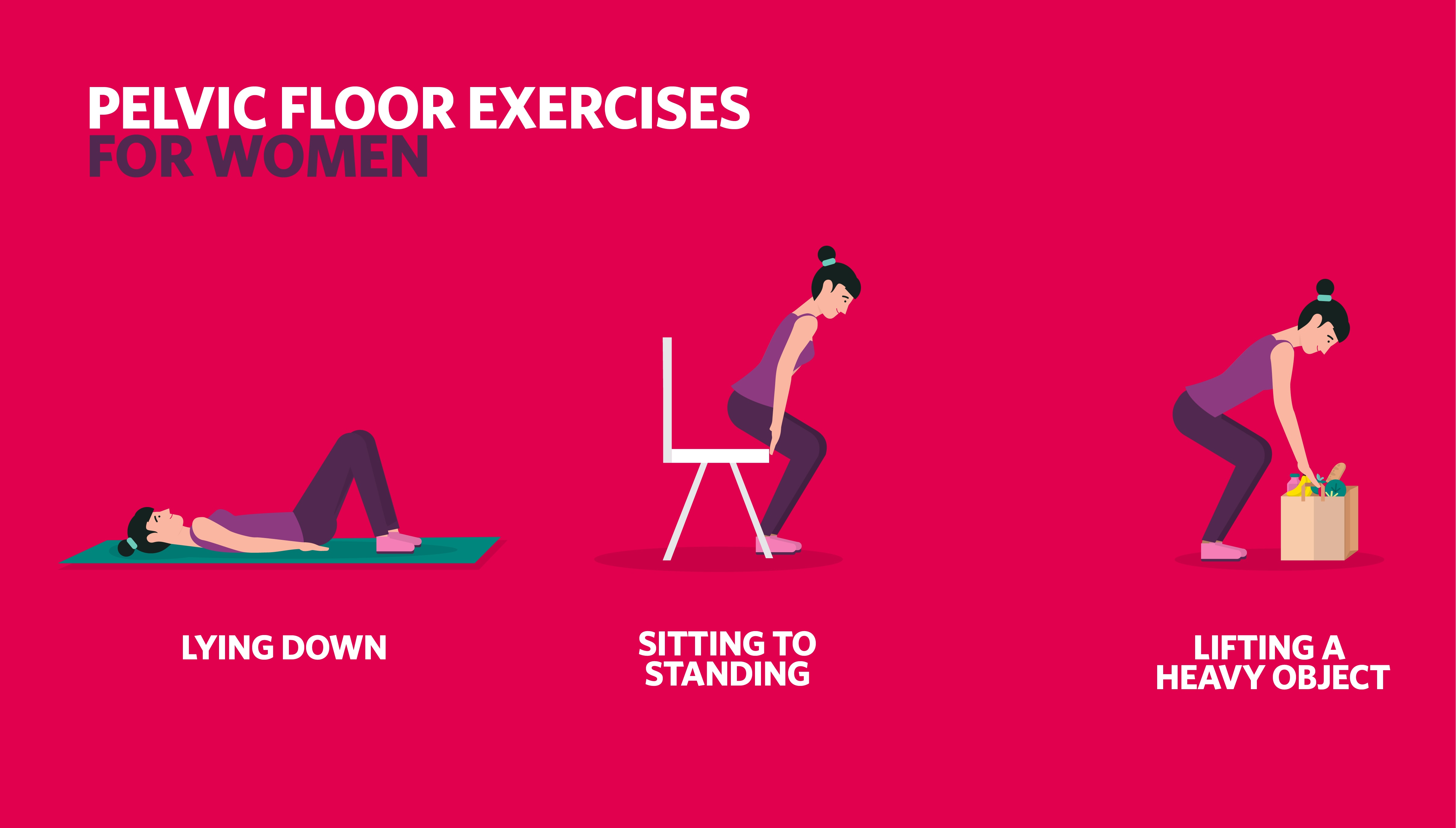
- Gentle Pelvic Tilts and Knee-to-Chest Holds: Lie on your back with knees bent and feet flat. Slowly tilt your pelvis upward toward the ceiling, holding for a few seconds, then release. Repeat while bringing one knee toward the chest, holding briefly—this combines muscle activation with relaxation, ideal for easing pelvic congestion.
Note: Always perform exercises in a quiet, comfortable space to minimize stress and maximize focus on pelvic sensations.
Tips for Safe and Effective Practice
Note: Start slowly—progress should feel natural, never forced. Pain is not progress.
- Begin each session with a warm-up, such as gentle walking or pelvic rocking, to prepare muscles and joints.
- Breathe steadily throughout exercises; hold breath can increase tension and discomfort.
- Track your practice with a journal or app to notice patterns in symptom response and adjust accordingly.
- Pair exercises with hydration and a balanced diet, avoiding bladder irritants like caffeine and alcohol.
- If pain worsens, pause and reassess—modify or skip the exercise to protect pelvic health.
Note: Consistency builds resilience; even short daily sessions contribute meaningfully over time.
Incorporating trending pelvic floor exercises into daily life offers a proactive, empowering strategy for managing interstitial cystitis. By focusing on gentle, mindful movements that strengthen and soothe the pelvic floor, individuals can reduce pain, improve function, and reclaim control over their well-being. While not a standalone cure, these exercises complement medical care and support holistic healing. With patience, proper technique, and professional guidance when needed, pelvic floor training becomes a sustainable pillar in the journey toward lasting relief.