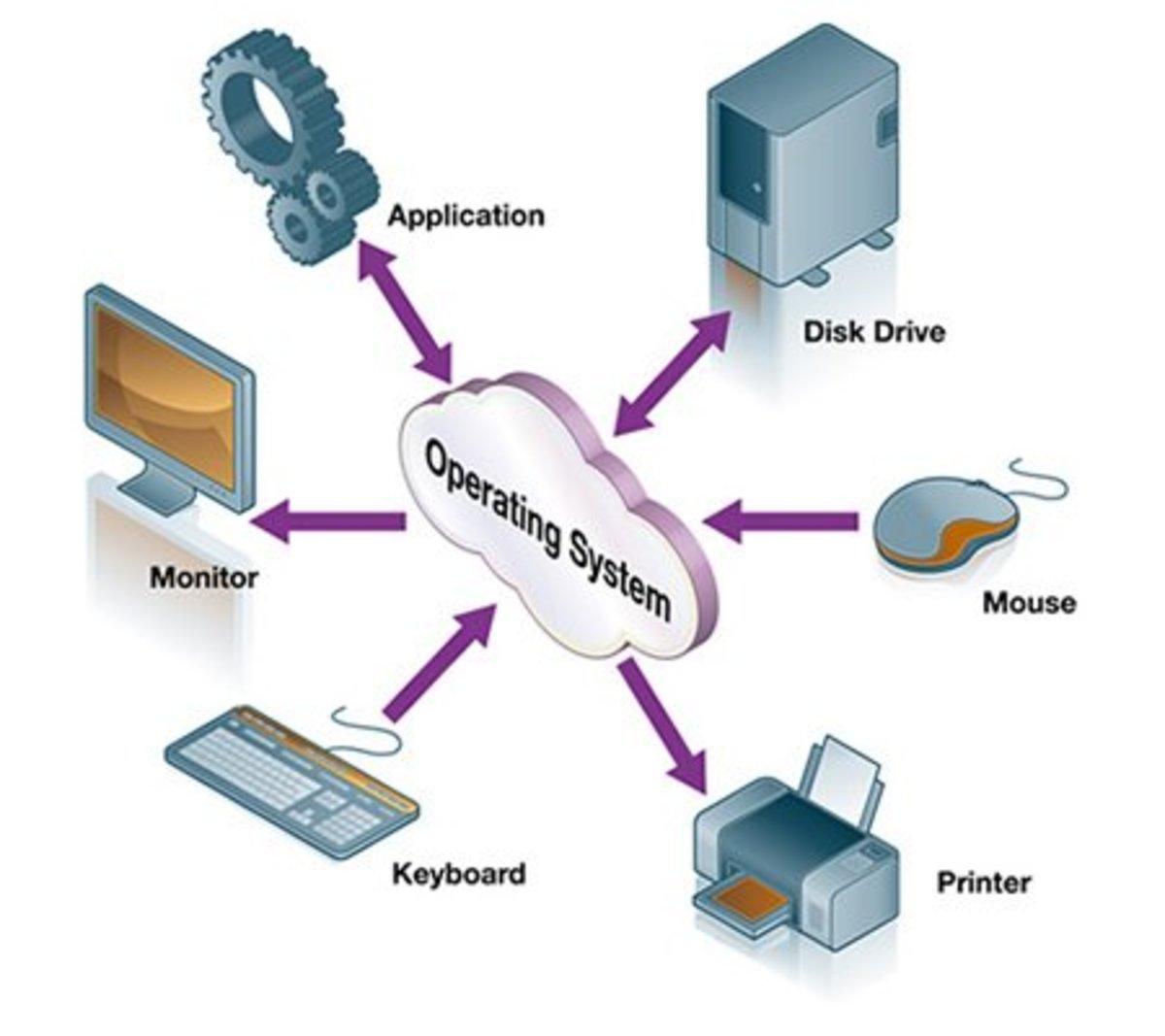
In the ever-evolving landscape of technology, the concept of an Open System Interface (OSI) has become increasingly relevant. An OSI is a set of protocols and standards that allow different systems to communicate with each other seamlessly. This interface is crucial for ensuring interoperability, scalability, and flexibility in various technological applications. Whether you are a developer, a system administrator, or a tech enthusiast, understanding the intricacies of an Open System Interface can significantly enhance your ability to design and implement robust systems.
Understanding the Basics of Open System Interface
An Open System Interface (OSI) is a framework that defines how data should be transmitted between different systems. It provides a standardized approach to communication, ensuring that devices from different manufacturers can work together without compatibility issues. The OSI model is divided into seven layers, each with specific functions and responsibilities. These layers are:
- Physical Layer
- Data Link Layer
- Network Layer
- Transport Layer
- Session Layer
- Presentation Layer
- Application Layer
Each layer plays a crucial role in the overall communication process, from the physical transmission of data to the application-level interactions. Understanding these layers is essential for anyone working with network protocols and system design.
The Importance of Open System Interface in Modern Technology
The significance of an Open System Interface (OSI) cannot be overstated in today's interconnected world. With the proliferation of IoT devices, cloud computing, and big data, the need for seamless communication between different systems has never been greater. An OSI ensures that data can flow smoothly between these diverse systems, enabling efficient and effective operations.
One of the key benefits of an OSI is its ability to promote interoperability. By adhering to standardized protocols, different systems can communicate with each other regardless of their underlying technologies. This interoperability is particularly important in industries such as healthcare, finance, and manufacturing, where data integrity and reliability are paramount.
Another critical aspect of an OSI is its scalability. As businesses grow and their technological needs evolve, an OSI allows for the seamless integration of new systems and devices. This scalability ensures that organizations can adapt to changing demands without disrupting their existing infrastructure.
Moreover, an OSI enhances flexibility by providing a modular approach to system design. Each layer of the OSI model can be developed and maintained independently, allowing for greater customization and innovation. This modularity enables developers to focus on specific areas of the system, leading to more efficient and effective solutions.
Key Components of an Open System Interface
An Open System Interface (OSI) comprises several key components that work together to facilitate communication between systems. These components include:
- Protocols: These are the rules and standards that govern data transmission. Protocols ensure that data is transmitted accurately and efficiently between systems.
- Interfaces: These are the points of interaction between different layers of the OSI model. Interfaces define how data is passed from one layer to another, ensuring seamless communication.
- Services: These are the functions provided by each layer of the OSI model. Services include data encapsulation, error detection, and flow control, among others.
- Entities: These are the physical or logical components that implement the OSI model. Entities can include hardware devices, software applications, and network protocols.
Understanding these components is essential for designing and implementing an effective OSI. Each component plays a crucial role in ensuring that data is transmitted accurately and efficiently between systems.
Implementing an Open System Interface
Implementing an Open System Interface (OSI) involves several steps, from designing the system architecture to configuring the network protocols. Here is a step-by-step guide to implementing an OSI:
- Define the System Requirements: The first step is to define the requirements of the system. This includes identifying the types of data that will be transmitted, the performance requirements, and the security needs.
- Design the System Architecture: Based on the defined requirements, design the system architecture. This involves selecting the appropriate protocols and interfaces for each layer of the OSI model.
- Configure the Network Protocols: Configure the network protocols to ensure that data is transmitted accurately and efficiently. This includes setting up routing, switching, and firewall configurations.
- Test the System: Conduct thorough testing to ensure that the system meets the defined requirements. This includes testing for performance, security, and interoperability.
- Deploy the System: Once the system has been tested and validated, deploy it in the production environment. Monitor the system's performance and make any necessary adjustments.
🔍 Note: It is important to involve stakeholders in the testing phase to ensure that the system meets their needs and expectations.
Challenges and Solutions in Open System Interface Implementation
While an Open System Interface (OSI) offers numerous benefits, implementing it can also present several challenges. Some of the common challenges include:
- Compatibility Issues: Ensuring that different systems can communicate seamlessly can be challenging, especially when dealing with legacy systems.
- Security Concerns: Protecting data during transmission is crucial, and implementing robust security measures can be complex.
- Performance Optimization: Ensuring that the system performs efficiently under varying loads can be challenging.
To overcome these challenges, it is essential to adopt best practices and leverage advanced technologies. Some solutions include:
- Using Standardized Protocols: Adhering to standardized protocols ensures interoperability and compatibility between different systems.
- Implementing Robust Security Measures: Using encryption, firewalls, and other security measures can protect data during transmission.
- Optimizing Network Performance: Implementing load balancing, caching, and other performance optimization techniques can enhance system efficiency.
By addressing these challenges proactively, organizations can ensure that their OSI implementation is successful and meets their business needs.
Case Studies: Successful Implementation of Open System Interface
Several organizations have successfully implemented an Open System Interface (OSI) to enhance their operations. Here are a few case studies:
Healthcare Industry: A leading healthcare provider implemented an OSI to integrate its various systems, including electronic health records (EHR), billing systems, and patient management systems. By adopting standardized protocols, the provider ensured seamless communication between these systems, improving patient care and operational efficiency.
Financial Services: A major financial institution implemented an OSI to enhance its data security and interoperability. By using encryption and other security measures, the institution protected sensitive financial data during transmission. The OSI also enabled the integration of new systems, allowing the institution to adapt to changing market demands.
Manufacturing: A global manufacturing company implemented an OSI to optimize its supply chain operations. By integrating its various systems, including inventory management, logistics, and production systems, the company achieved greater efficiency and reduced costs. The OSI also enabled real-time data sharing, improving decision-making and operational agility.
These case studies demonstrate the versatility and effectiveness of an OSI in various industries. By adopting an OSI, organizations can achieve greater interoperability, scalability, and flexibility, leading to improved performance and competitive advantage.
Future Trends in Open System Interface
The future of Open System Interface (OSI) is promising, with several emerging trends shaping its evolution. Some of the key trends include:
- IoT Integration: The proliferation of IoT devices is driving the need for more robust and scalable OSI solutions. Future OSI implementations will focus on integrating IoT devices seamlessly, ensuring efficient data transmission and management.
- Edge Computing: As edge computing gains traction, OSI solutions will need to adapt to support decentralized data processing. This will involve developing protocols and interfaces that can handle data transmission and processing at the edge.
- AI and Machine Learning: The integration of AI and machine learning in OSI solutions will enhance data analysis and decision-making. Future OSI implementations will leverage these technologies to provide more intelligent and adaptive communication systems.
These trends highlight the evolving nature of OSI and its potential to transform various industries. By staying abreast of these developments, organizations can leverage OSI to achieve greater efficiency, innovation, and competitive advantage.

Figure 1: OSI Model Diagram

Figure 2: OSI Layers

Figure 3: OSI Protocols

Figure 4: OSI Services

Figure 5: OSI Entities

Figure 6: OSI Components

Figure 7: OSI Implementation

Figure 8: OSI Challenges

Figure 9: OSI Solutions

Figure 10: OSI Case Studies

Figure 11: OSI Future Trends

Figure 12: OSI Diagram

Figure 13: OSI Layers Diagram

Figure 14: OSI Protocols Diagram

Figure 15: OSI Services Diagram

Figure 16: OSI Entities Diagram

Figure 17: OSI Components Diagram

Figure 18: OSI Implementation Diagram

Figure 19: OSI Challenges Diagram

Figure 20: OSI Solutions Diagram

Figure 21: OSI Case Studies Diagram

Figure 22: OSI Future Trends Diagram

Figure 23: OSI Diagram

Figure 24: OSI Layers Diagram

Figure 25: OSI Protocols Diagram

Figure 26: OSI Services Diagram

Figure 27: OSI Entities Diagram

Figure 28: OSI Components Diagram

Figure 29: OSI Implementation Diagram

Figure 30: OSI Challenges Diagram

Figure 31: OSI Solutions Diagram

Figure 32: OSI Case Studies Diagram

Figure 33: OSI Future Trends Diagram

Figure 34: OSI Diagram

Figure 35: OSI Layers Diagram

Figure 36: OSI Protocols Diagram

Figure 37: OSI Services Diagram

Figure 38: OSI Entities Diagram

Figure 39: OSI Components Diagram

**Figure
Related Terms:
- open systems interconnect osi model
- open system interconnection reference model
- osi model open systems interconnection