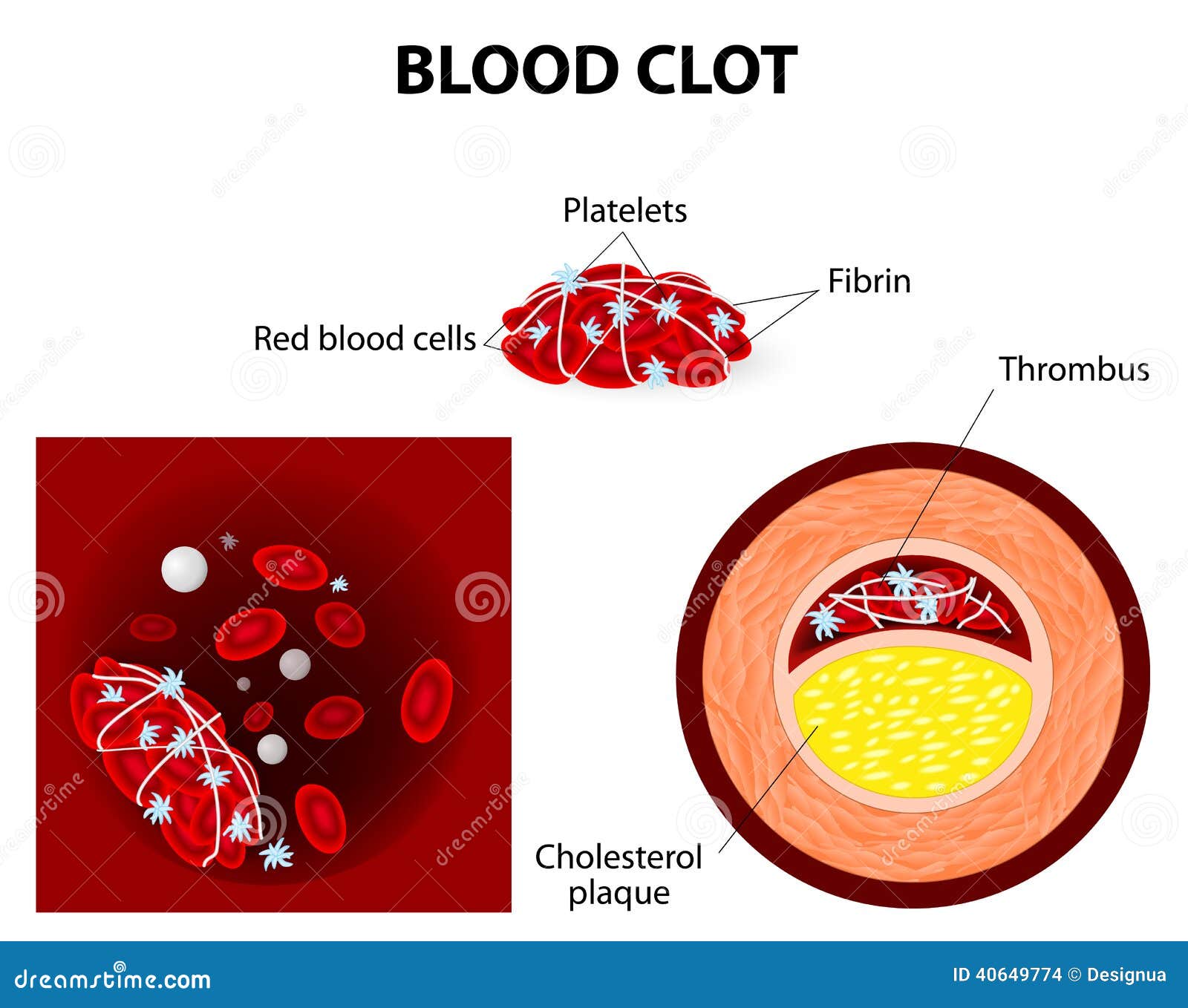
Understanding the complexities of blood clots, or *Coágulo De Sangre*, is crucial for maintaining overall health and well-being. Blood clots are a natural part of the body's healing process, but they can also pose significant risks if they form inappropriately. This post delves into the causes, symptoms, prevention, and treatment of blood clots, providing a comprehensive guide to help you stay informed and proactive about your health.
What is a Blood Clot?
A blood clot, or Coágulo De Sangre, is a semisolid mass of blood that forms when platelets and fibrin combine. This process is essential for stopping bleeding after an injury. However, when blood clots form inside blood vessels without a clear cause, they can obstruct blood flow and lead to serious health issues.
Types of Blood Clots
Blood clots can be categorized into two main types based on their location:
- Arterial Clots: These form in the arteries, which carry oxygen-rich blood from the heart to the rest of the body. Arterial clots often cause heart attacks and strokes.
- Venous Clots: These form in the veins, which return blood to the heart. Venous clots can lead to conditions like deep vein thrombosis (DVT) and pulmonary embolism (PE).
Causes of Blood Clots
Several factors can increase the risk of developing a blood clot. These include:
- Immobility: Prolonged periods of inactivity, such as during long flights or bed rest, can slow blood flow and increase the risk of clots.
- Surgery: Certain surgical procedures, especially those involving the hips, knees, or pelvis, can increase the likelihood of blood clots.
- Injury: Trauma to blood vessels can trigger the formation of a blood clot.
- Medical Conditions: Conditions like cancer, heart disease, and inflammatory disorders can increase the risk of blood clots.
- Hormonal Changes: Pregnancy, birth control pills, and hormone replacement therapy can affect blood clotting.
- Genetic Factors: Inherited conditions like Factor V Leiden and antithrombin deficiency can predispose individuals to blood clots.
Symptoms of Blood Clots
The symptoms of a blood clot can vary depending on its location. Common symptoms include:
- Swelling: The affected area may become swollen.
- Pain: There may be pain or tenderness in the affected area.
- Redness or Warmth: The skin over the clot may appear red or feel warm to the touch.
- Shortness of Breath: This can indicate a pulmonary embolism, where a clot travels to the lungs.
- Chest Pain: This can be a sign of a heart attack or pulmonary embolism.
- Rapid Heartbeat: This can also indicate a pulmonary embolism.
- Coughing Up Blood: This is a serious symptom that requires immediate medical attention.
Diagnosing Blood Clots
Diagnosing a blood clot typically involves a combination of medical history, physical examination, and diagnostic tests. Common diagnostic tests include:
- D-Dimer Test: This blood test measures a substance released when a blood clot breaks down.
- Ultrasound: This imaging test uses sound waves to visualize blood flow and detect clots.
- Venography: This involves injecting a dye into the veins and taking X-rays to visualize blood flow.
- CT Scan or MRI: These imaging tests provide detailed images of the body’s internal structures.
- Pulmonary Angiogram: This test involves injecting a dye into the arteries leading to the lungs and taking X-rays to detect clots.
Preventing Blood Clots
Preventing blood clots involves lifestyle changes and medical interventions. Here are some strategies to reduce your risk:
- Stay Active: Regular physical activity helps improve blood flow and reduce the risk of clots.
- Maintain a Healthy Weight: Excess weight can increase the risk of blood clots.
- Avoid Smoking: Smoking damages blood vessels and increases the risk of clots.
- Stay Hydrated: Drinking plenty of fluids helps prevent dehydration, which can increase the risk of clots.
- Wear Compression Stockings: These can help improve blood flow in the legs and reduce the risk of DVT.
- Take Medications as Prescribed: Blood thinners and other medications can help prevent clots, especially after surgery or during periods of immobility.
Treating Blood Clots
Treatment for blood clots depends on the location and severity of the clot. Common treatments include:
- Anticoagulants: These medications, also known as blood thinners, help prevent existing clots from growing and new clots from forming.
- Thrombolytics: These drugs dissolve blood clots and are often used in emergency situations.
- Compression Stockings: These can help improve blood flow and reduce swelling.
- Surgery: In some cases, surgery may be necessary to remove a clot or repair damaged blood vessels.
- Inferior Vena Cava (IVC) Filter: This device is placed in the large vein that carries blood from the lower body to the heart to prevent clots from traveling to the lungs.
📝 Note: Always consult a healthcare provider before starting any new treatment or making significant lifestyle changes.
Risk Factors for Blood Clots
Certain factors can increase the risk of developing a blood clot. Understanding these risk factors can help you take proactive steps to reduce your chances of experiencing a Coágulo De Sangre.
| Risk Factor | Description |
|---|---|
| Age | The risk of blood clots increases with age, especially after 60. |
| Family History | A family history of blood clots or inherited clotting disorders can increase your risk. |
| Pregnancy | Pregnancy and the postpartum period increase the risk of blood clots. |
| Oral Contraceptives | Birth control pills that contain estrogen can increase the risk of blood clots. |
| Hormone Replacement Therapy | HRT can increase the risk of blood clots, especially in women over 60. |
| Cancer | Certain types of cancer and cancer treatments can increase the risk of blood clots. |
| Heart Disease | Conditions like atrial fibrillation and heart failure can increase the risk of blood clots. |
| Inflammatory Disorders | Conditions like lupus and rheumatoid arthritis can increase the risk of blood clots. |
When to Seek Medical Attention
If you experience any of the following symptoms, seek immediate medical attention:
- Sudden shortness of breath
- Chest pain or discomfort
- Rapid heartbeat
- Coughing up blood
- Swelling, pain, or tenderness in one leg
- Redness or warmth in one leg
These symptoms can indicate a serious condition like a pulmonary embolism or deep vein thrombosis, which require immediate medical intervention.
Blood clots are a serious health concern that can lead to significant complications if not properly managed. Understanding the causes, symptoms, prevention, and treatment of blood clots is essential for maintaining overall health and well-being. By staying informed and proactive, you can reduce your risk of developing a Coágulo De Sangre and take appropriate action if symptoms arise.
Related Terms:
- blood clot en español
- coágulo de sangre en inglés
- que es la coagulación
- proceso de coagulacion
- sangre coagulada
- coagulo en la cabeza